What Is Workforce Development and Why Does It Matter?
A healthy urban forest doesn’t happen by accident. It takes people with the knowledge, skills, and experience to plant the right trees, care for them over time, and help communities prepare for a changing climate.
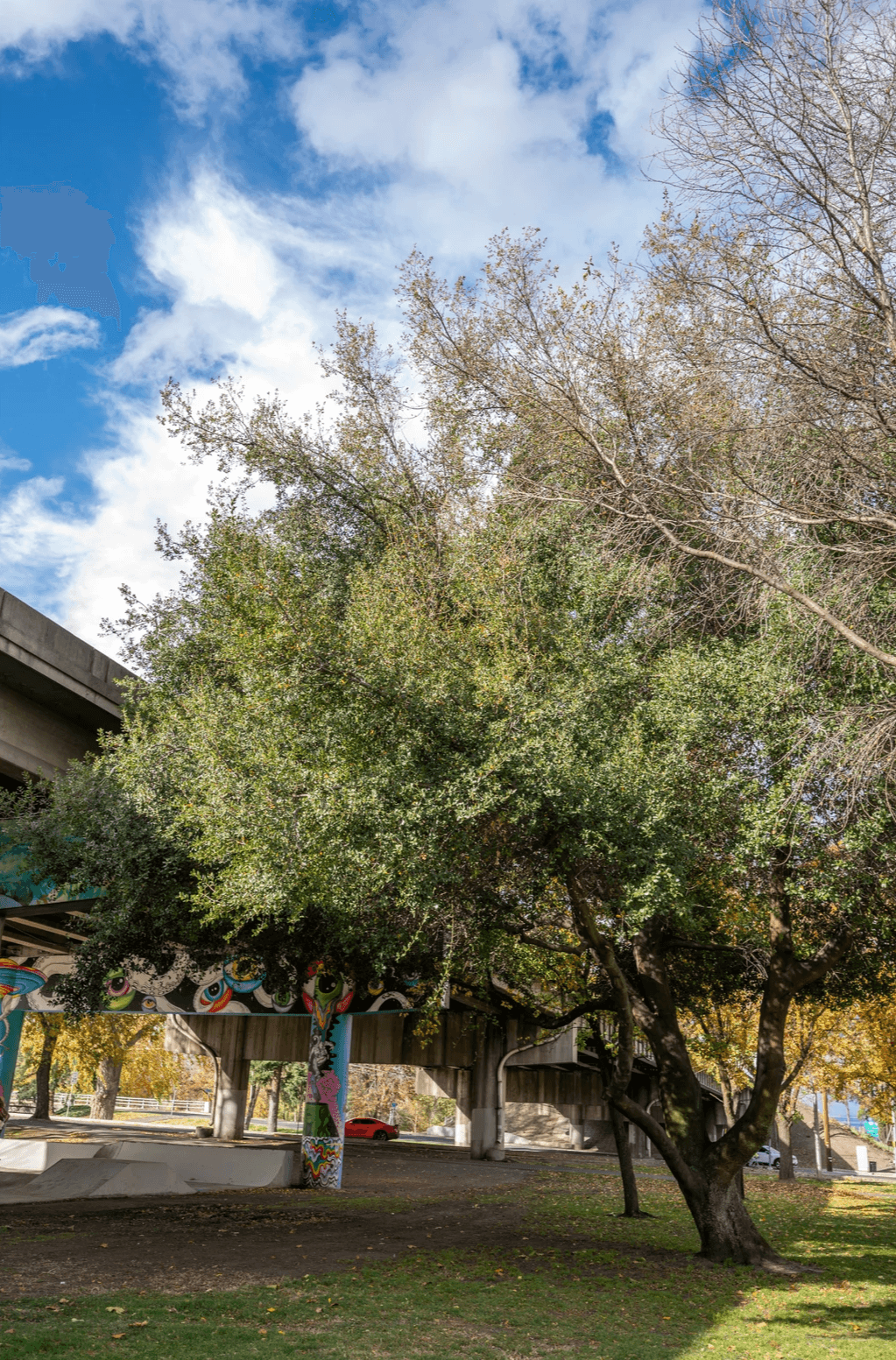
Interior live oak (Quercus wislizeni) in Medford, OR near Hawthorne Park.
That demand is expected to continue locally. Jackson and Josephine Counties are projected to see continued growth in arboriculture, forestry, and environmental management occupations, while employers report ongoing difficulty recruiting qualified workers (SORED, 2025). This is where we come in.
OUR Community Forestry is investing in the people who will care for our urban forests for decades to come. Through internships, hands-on training, professional credentialing, and career pathways, we help people gain the experience and confidence they need to enter the field and stay in it.
Because when we invest in people, we’re not just growing careers. We’re growing the capacity of our communities to plant, protect, and care for trees for generations to come.
Workforce development is about building people-power. It means creating pathways for people to enter the urban forestry field, gain hands-on experience, earn professional credentials, and build lasting careers. It also means making sure the field reflects the communities it serves.
Today, there is a growing need for skilled urban forestry professionals and an opportunity to build a stronger, more diverse workforce to meet it. In a nationwide U.S. study, we found that only 10% of urban forestry professionals were women and 5% were minorities (Kuhns et al., 2002), highlighting a significant gap in representation within the field.
At the same time, demand for this workforce is growing. Nationally, increased investments and funding for urban forestry, wildfire resilience, and climate adaptation, have significantly increased the need for qualified arborists and related professionals. Here in Southern Oregon, rising temperatures, prolonged drought, insect and disease pressures, and more frequent wildfire events are creating an even greater need for tree planting, maintenance, and long-term canopy management.
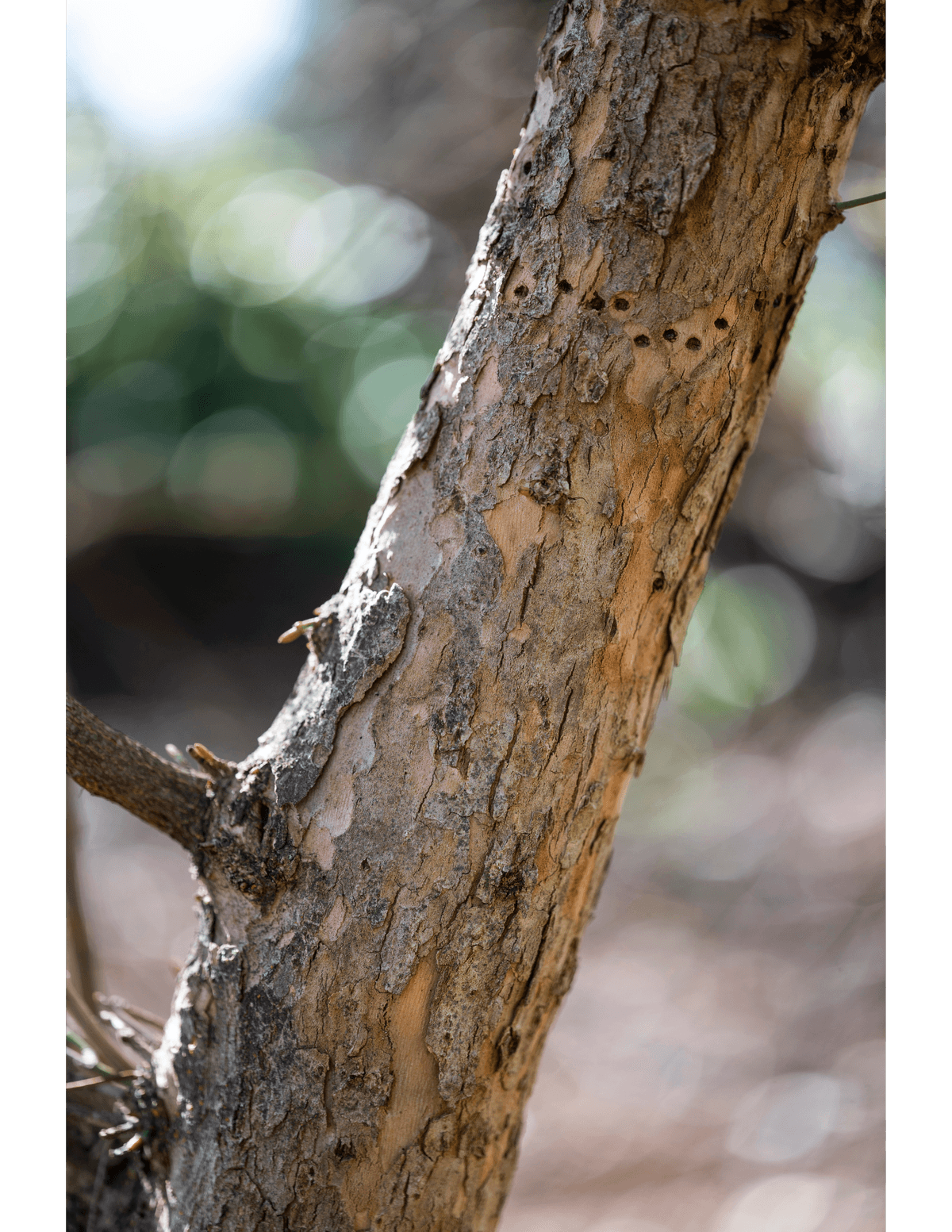
Cornelian cherry (Cornus mas) that has been affected by sap suckers, a native bird that is non-detrimental to the tree's health.
Impact & Results

Paid internship hours provided to local students and young professionals.

Workforce development participants have earned or advanced industry certifications & credentials.

Trees planted and cared for across our community by interns and workforce development participants.
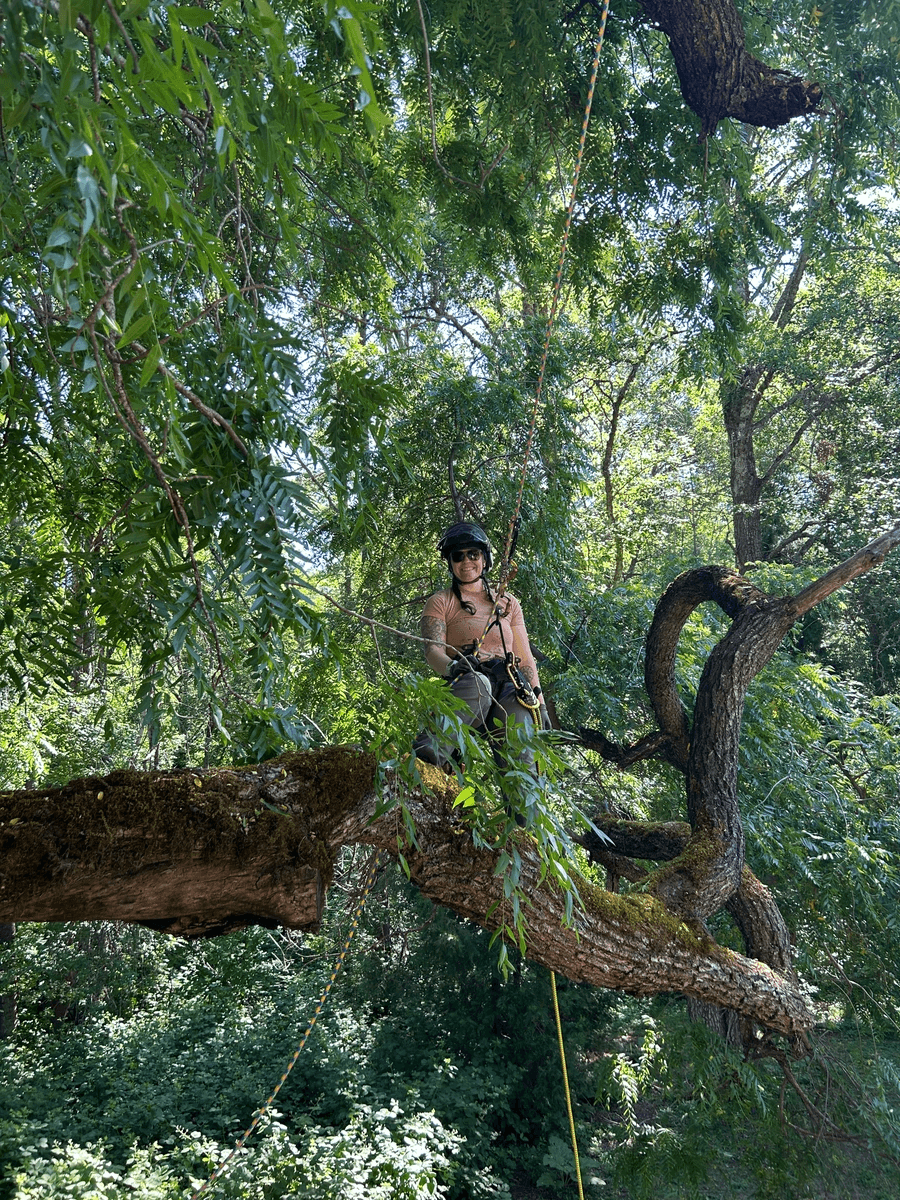
Former Intern Hired as Grants Pass Urban Forester
During her time with OURCF in 2025, Alex both gained and shared experience and knowledge in arboriculture and community forestry. OURCF supported her in earning ISA Certified Arborist credential while simultaneously completing her degree.
When a position opened for an Urban Forester with the City of Grants Pass in 2026, Alex applied and got the job. She credits her internship with giving her the confidence, experience, and skillset that helped her take the next step in her career. For us, seeing a former intern step into a leadership role in the community she calls home is exactly what workforce development is about.
We’re proud to now work alongside Alex as a community partner. Through projects like the Grants Pass Canopy Collaborative, we’re excited to continue building a stronger, healthier urban forest in Grants Pass together.